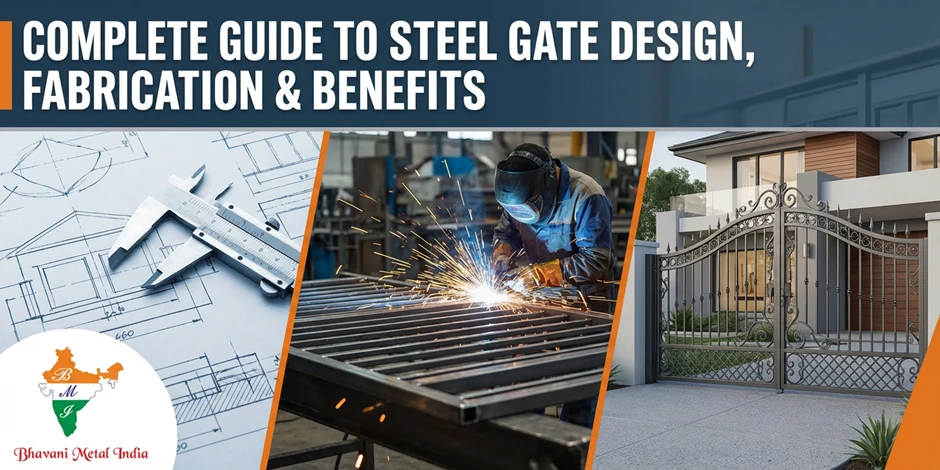
Complete Guide to Steel Gate Design, Fabrication & Benefits
What makes glass stand out among building options? Its benefits grab attention even when paired with a Steel Gate. Shaped however you need; glass brings a clean look that fits anywhere. Its transparency stands out, making spaces feel open. Not stuck on one form, it adapts without losing charm. Looks matter and this material delivers them quietly.
Waste drops when newer methods are used glass can be reused again and again, fitting right into greener routines. Recycling stays practical because the material lasts beyond a single use. Strong glass choices resist breaking, ideal where lots of people move through. Toughened layers hold up well under stress, staying safe even when damaged.
Less warmth escapes through insulated windows. That means lower heating costs over time. Homes stay comfortable without wasting power. These panes help reduce how much pollution comes from energy use.
Starting off, spending more at first can actually save money later because repairs happen less often. Efficiency adds up over time, making the early price easier to handle.
Fabricating glass shapes new ideas, opening doors across tech and creative fields.
Design Challenges and Fixes in Making Glass
Every area has its struggles. In making glass, things such as fragility and steep manufacturing expenses often get in the way. Still, progress through tiny-scale tech and robotic systems helps ease those problems. Take glass that fixes small cracks on its own - it simply lasts longer because of this.
Still, rules shape how things are built, so staying within safety limits matters. Working alongside those who study materials makes tough spots easier to pass through.
The Future of Steel Gate
Right around the corner, new ways of shaping glass are starting to take form. Devices like windows that change darkness using electricity slowly become common. Hooked up to internet-connected systems, structures might shift how they behave when people arrive or storms roll in.
Imagine glass made from old bottles getting a second life in new products. Think of printing intricate shapes with molten glass, layer by layer, skipping traditional molds. Faster trials could emerge when designers skip lengthy waits. Cheaper tweaks may follow once setups simplify. Old methods fade as digital tools shape what comes next.
Facing new demands, schools now shape courses that teach young learners how to craft glass using both hand techniques and modern software. Though rooted in old methods, these classes grow alongside technology, slowly shifting what it means to build by hand.
Embracing Steel Gate
Floating shapes take form when fire meets sand. Each curve tells how people push limits with tools and thought. Beauty stands beside use in every pane made by hand or machine. Picture buildings reaching skyward through clear walls born of skill. Homes gain lightness where windows turn into art without shouting. Seeing how glass bends to will makes space feel different, somehow alive.
When things change fast, knowing what’s new matters most. For any idea using glass, talk to experts good at shaping it exactly how you want. Bright ideas often come through materials people trust glass keeps proving its worth where clarity and creativity meet.
The Making of Steel Gates
Out of drawings and plans rises something real a steel gate taking shape. Hands guided by experience work alongside sharp, modern tools to get every detail right. From trusted sources come the starting pieces: flat metal sheets, solid bars, or hollow tubes. Into motion goes the material when high-precision devices slice and form it just so.
Putting metal pieces together matters most when building. Using either TIG or MIG methods makes strong bonds between parts, forming a solid structure. Cross supports go in next those help it resist bending under pressure. After that comes fitting hinges, locking mechanisms, and any motorized hardware. Every unit gets tested for strain tolerance and rust protection before leaving the shop. Harsh conditions won’t break what careful inspection already approved.
Unlike glass work that needs careful steps such as strengthening and layering for clear, safe results, building leans into toughness. These sturdy barriers suit tough places: factories, secured neighborhoods, areas needing firm access control. Some teams assign the job to expert builders outside their company; others take it on directly when designs are unique. How long it takes shifts widely from a few weeks up to many months shaped entirely by how intricate the build turns out.
Steel Gates Offer Durability Security Longevity
Looks matter, sure. What counts more? How tough steel gates really are. Think about it - rust does not eat them up. Rot leaves them alone. Bugs ignore them completely. Wood warps. Aluminium dents easier. Steel just keeps going. Built right, looked after, they stand strong for years. Not months. Decades. That kind of staying power changes how you see worth.
Heavy-duty keep unwanted visitors out, often working well with strong locking systems or camera setups. Built tough, they resist forced entry - helpful where break-ins happen more often. Sturdy construction means less worry at night. When winds blow hard, these gates serve as shields, slowing down cold air sneaking through. That kind of protection helps indoor temperatures stay steady without extra heating. Lower airflow sometimes leads to smaller energy costs over time.
Beauty meets function when gates go up. Custom shapes fit gardens or building lines, bringing quiet sophistication. Look elsewhere if you want see through options - glass designs give openness, yet steel stands firm while still looking sharp. Recycling old metal? Steel plays well with Earth-friendly habits.
What stands out is how well it saves money over time. Even if making them at first costs more than basic options, steel last longer and need less upkeep, which means spending less in the long run. Depending on the spot like a driveway or around a pool they tend to fit just about anywhere without issue.
Steel Gates Versus Glass Fabrication Design
A single beam of sunlight might reveal just how fragile glass really is. Unlike that, metal stands firm when struck hard. Places wanting brightness choose clear panels stretched wide across entries. These see through barriers need careful lifting during setup. A different approach shows up in heavy-duty builds where strength matters most. Tougher materials shrug off force better than any transparent sheet ever could.
When making things, shaping glass means careful slicing and sticking pieces together, often with layered glass for strength. On the flip side, building focuses on solid joints, done by melting metal edges into one another plus adding supports where needed. Where looks matter just as much as protection, mixing materials helps steel outlines filled in with clear panels, each part doing what it does best.
What matters most is what you value. Glass designs offer openness, a clean look. When strength counts, steel provides reliability. Long-term use? Steel handles more situations well. Clarity and simplicity point toward glass. Toughness and adaptability lean heavily on metal.
Installation and maintenance tips
A solid setup makes all the difference when it comes to getting. Go with licensed experts so everything lines up right, particularly if the gate runs on automation. Before anything gets mounted, take time to ready the location flatten the surface, set the posts deep. That way, drooping or misalignment won’t show up later.
Just staying on top of things helps a lot. Wipe down surfaces now and then, oil the moving parts every so often, one thing that matters are keeping the surface looking fresh. Once a year, take a close look at how it's holding up, if rust shows up, cover it before it spreads. Doing these small tasks adds up over time, gates last longer when cared for, their worth stays intact.
Why Steel Gates?
Starting strong with solid structure, steel gates bring toughness that lasts. Not just tough, they look good too, fitting homes without trying too hard. From first idea to place in position, each piece is made for how you live. See-through designs have their place, sure, yet heavy-duty wins where safety matters most. Time passes, weather changes, still these stay put, holding up better than most expect. Built right once, they ask for little later, doing quiet work year after year. What stands at the front says something; let it say strength, not showiness. Years go by, paint fades maybe, but shape stays true, hinge to frame, day after day. No flash, no noise, just steady presence keeping things locked down tight. When picking what guards the entrance, going sturdy makes sense more often than not.